
Siberian Ginseng
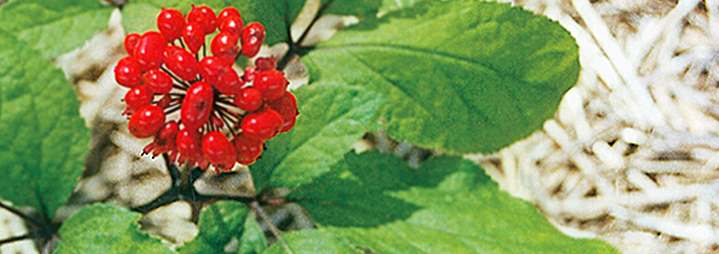
Siberian ginseng or panax ginseng has been used by ancient cultures such as the Native Americans for close to a thousand years. In ancient times the exact medicinal properties of Siberian ginseng were not properly identified, but its medical benefits were obvious.
Different types of ginseng
American ginseng root has its name because it grows in various parts of North America. Other types of ginseng exist and vary in terms of their color or where they grow. Some of these include: Red ginseng, Siberian and Korean ginseng.
Nowadays the herbs specific chemical structure and subsequently its specific benefits have been identified and it is used to treat a myriad of ailments. Primarily Siberian ginseng is now used as a preventative medicine and therapeutic benefits tied to vitality if consumed over long periods of time.
How does Siberian ginseng work?
 The primary source of Siberian ginsengs benefits stem from its unique content, which comprises of the plant-like estrogen: phytoestrogens. Because the chemical structures of phytoestrogens are similar to that of human estrogen it is often highly sought after in treatments linked to a hormone deficiency.
What is Siberian ginseng used for?
Siberian ginseng is used to treat people suffering from conditions related to low estrogen levels, such as: menopause. Its components also make it a good tool in enhancing vitality and energy.
Siberian ginseng and menopause
Women are increasingly turning to phytoestrogenic herbs such as Siberian ginseng in order to treat their menopause symptoms. The exact menopause symptoms that Siberian ginseng is known to treat, are:
 . Fatigue.
. Energy loss.
. Memory Lapses.
. Strength loss.
. Sleep disorders.
Benefits of Siberian ginseng
. Siberian ginseng gives quick temporary relief from menopause symptoms
. Siberian ginseng is considered to be a good alternative to hormone replacement therapy
. Siberian ginseng has other benefits which include serving as an aphrodisiac and an enhancer of sexual performance
Negatives of Siberian ginseng
. Siberian ginseng can be responsible for stimulating breast cancer
. Siberian ginseng can cause side effects, which include headaches, difficulty sleeping and agitations.
Alternatives to Siberian ginseng
Due to being a short term measure to counteract the problems that arise with menopause Siberian ginseng has many rivals in the treatment of menopause symptoms. Another type of herb, known as non-estrogenic is also known for treating menopause symptoms in a different way. Non-estrogenic herbs stimulate the replenishing of estrogen hormones and maintain the body's balance without introducing artificial hormones into the body. Because non-estrogenic herbs do not contain estrogen, it is able to counteract the effects of menopause without many of the dangerous side effects that phytoestrogenic herbs cause. Another widely used alternative is hormone replacement therapy. Such a process functions by introducing artificial hormones into the body but brings with it a plethora of side effects.
Due to the obvious benefits of Siberian ginseng, many women choose this as an option in order to curb the harsher effects of their menopause symptoms. Due to the side effect of such herbs, it is highly recommended that other options such as non-estrogenic herbs are considered in the treatment of menopause symptoms.